Blue Banner Image for Content

Harnessing Gen Z Talent for Digital Transformation in Government and Defence

Posted February 9, 2025

In a world where everything’s going digital, the need for tech-savvy talent in the defence sector and central government is huge. The government’s push to use AI to cut costs and boost efficiency is a big deal. But getting Gen Z, the digital natives, on board is still a challenge.

Research by PA Consulting and McKinsey reveals a significant gap in awareness and interest among those aged 13-27 regarding careers in government and defence. This highlights the need for a strong employee value proposition that speaks to Gen Z.

What Gen Z Wants

The research found four key things that matter to Gen Z:

  • Flexibility
  • Mental health and wellness
  • Ethical practices and value alignment, and
  • Variety.

These are crucial for creating roles that attract young talent.

Showcasing Career Variety

Gen Z loves diverse career opportunities and the chance to try different roles. However, almost half of the Gen Z respondents didn’t know about the wide range of roles in government and defence, such as AI specialists, cybersecurity experts, policy advisors, and project managers. Closing this knowledge gap is the first step to attracting young talent. It’s also important to highlight career progression.

Over a third of Gen Z respondents think the sector offers chances to develop a variety of skills and clear career paths. Investing in training programs and promoting these opportunities can make careers in government and defence more appealing.

Highlighting Meaningful Work

Meaningful work is a big motivator for Gen Z. The research found that many respondents believe roles in government and defence make a positive impact on society. However, there’s a need to better communicate how these sectors tackle global challenges and contribute to a safer, more sustainable future. For example, the government’s AI and digital transformation initiatives aren’t just about efficiency; they’re about improving public services and enhancing national security. Sharing success stories and case studies that show the positive impact of these initiatives can help align the sector’s values with those of potential recruits.

Promoting Flexibility and Wellness

Flexibility and a good work-life balance are top priorities for Gen Z. Yet, only a small percentage of respondents felt that the government and defence sectors offer flexible working conditions. There’s a clear opportunity to build more choice and control into these careers, such as remote work options and flexible hours.

Mental health and wellness are equally important. Creating a culture that prioritises mental health and provides a supportive environment can make a big difference in attracting and retaining young talent. This includes fostering psychologically safe workplaces where employees can learn from mistakes and develop the right behaviours.

Implications of Delayed Evolution

If these changes are implemented too late, the consequences could be significant. The government and defence sectors may struggle to attract the necessary talent to drive digital transformation, leading to a lag in technological advancements and efficiency. This could result in higher operational costs and reduced effectiveness in addressing national security and public service challenges.

Moreover, failing to meet Gen Z’s expectations for flexibility, mental health support, and meaningful work could lead to high turnover rates and low employee engagement. This would not only impact productivity but also damage the sectors’ reputation as desirable places to work, making it even harder to attract future talent.

The tech sector has seen similar consequences when changes were implemented too late. For instance, 70% of digital transformation projects fail to meet their goals. Companies like Nokia and Kodak are prime examples of what happens when businesses fail to adapt. Nokia, once a leader in mobile phones, lost its market share because it didn’t keep up with smartphone innovations. Kodak, despite inventing the digital camera, failed to capitalise on it and was left behind as the market shifted to digital photography. Implementing change when it comes to current and future generations is no less critical, so change is paramount.

The Way Forward

Attracting Gen Z talent is crucial for driving digital transformation in government and defence. This requires a strong employee value proposition that increases awareness of opportunities to this market as well as sharing success stories that the positive impact roles in government and defence can bring.

It’s important to emphasise variety, flexibility, and meaningful work with robust training programmes as well as a supportive culture.

The message is clear – move away from traditional hierarchical career paths and embrace dynamic, fluid career journeys. Above all, communicate the breadth and scope of roles available and the real impact these roles have on both a local and global scale.

By implementing these accountability actions with measurable outcomes, we can ensure that the strategies to attract and retain Gen Z talent are effective.

Get in touch

Would you like to chat about this topic further? Don’t hesitate to reach out to Nick Walrond or Mollie Hatton to find out more and continue the conversation.

Nick Walrond – Managing Director – [email protected]

Mollie Hatton – Head of Talent Consulting – [email protected]
Blue Banner Image for Content

Sanderson featured in the Financial Times as UK companies plan to invest in AI

Posted January 13, 2025

Sanderson have recently been featured in the Financial Times following new research suggesting that half of UK businesses plan to prioritise investment in artificial intelligence (AI) over hiring staff due to the decision of chancellor Rachel Reeves’ to increase employers’ tax bills.

Commentators have suggested that many companies are beginning to see more of the potential that AI can offer them in terms of productivity, and a recent poll from BCG has even revealed that 44% of responders from the 251 UK businesses surveyed are investing in AI as a priority this year.

Staff with AI skills

This rise in the use of AI has led companies to look for staff with skills related to this technology.

Our data has suggested that demand for AI engineers in the UK jumped in the first half of 2024, despite lay-offs in the wider tech sector over the preceding 18 months.

James Corcoran, head of recruitment in our Government and Defence practice went on to say “AI will replace some jobs, support some jobs and generate some jobs, it will balance itself out.”

To read the full article in the Financial Times, please click here.

If you would like to access more data around the emergence of AI related skillsets, you can download our Tech & Digital Insights Report here.

Please don’t hesitate to reach out to us if you would like to discuss the use of AI in your business, or are interested in hiring staff with skills in this area of technology.

Blue Banner Image for Content

The 100-Year Life: A New Perspective on Ageing

Posted January 9, 2025

The prospect of living to 100 is now increasingly realistic in today’s day and age.

This is a topic I’ve been exploring a lot as I believe it’s crucial for the UK government and defence sector to get to grips with this and adapt to this new reality if they’re to harness the full potential of a multigenerational workforce.

In my previous blog, I explored the concept of the 100-year life and how advancements in healthcare, lifestyle changes, and technology are enabling people to live longer, healthier lives. In this next instalment, I’m taking a deeper dive into this topic thanks to exciting new research published in Nature Ageing, which reveals that baby boomers are now ageing so slowly that 70 really is the new 60.

So let’s take look…

The Slow Ageing Phenomenon

Recent studies have shown that the biological markers of ageing are shifting, particularly for the baby boomer generation. This research indicates that individuals in their 70s today exhibit health and vitality levels comparable to those in their 60s a few decades ago

This shift can be attributed to several factors:

  1. Improved Healthcare: Advances in medical science have significantly enhanced the management of chronic diseases and preventive care.
  2. Healthier Lifestyles: Increased awareness of the importance of diet, exercise, and mental well-being has led to healthier lifestyle choices.
  3. Technological Innovations: Wearable technology and telemedicine have made it easier for individuals to monitor and manage their health proactively.


What This Means for Society

I believe the implications of this slow ageing phenomenon are profound.

As people live longer and healthier lives, we can expect to see changes in various aspects of society such as:

  • Workforce Dynamics: With people remaining healthier for longer, the traditional retirement age may shift, allowing for extended careers and new opportunities for lifelong learning and development.
  • Healthcare Systems: There will be a growing need for healthcare systems to adapt to the needs of an ageing population, focusing on preventive care and chronic disease management.
  • Social Structures: Communities and families will need to adjust to the reality of multi-generational living, with more active and engaged older adults.

Embracing the Future

As we continue to understand the science of ageing, it becomes clear that our perceptions of age and vitality are evolving. The idea that “70 is the new 60” is not just a catchy phrase but a reflection of the remarkable progress we have made in extending the healthy years of life.

And that means that we must look to the over 50’s as a viable and long-term career group that will be critical to the health of the UK employment market.

More thought needs to be given to attracting and mobilising this generation.

The journey towards a 100-year life is not just about adding years to life but adding life to years. By embracing healthier lifestyles, leveraging technological advancements, and adapting our societal structures, we can look forward to a future where ageing is not something to be feared but celebrated, and where our working lives will extend well into our 70’s for many of us.

What this means for the Government & Defence sector

Specifically, to the world that we service, I think real thought and time needs to be given to the following points:

  • How to harness multi-generational talent
  • Adapting workforce policies to make them fit the generations (hire to retire policies etc…)
  • Improved Health and Wellbeing policies to enable a positive extended working life
  • Learning and development initiatives that enable reskilling later in careers

With well documented Digital, Data, Cyber skills shortages across the Defence and Government sectors in the UK now is the time to harness the potential of the extended working life, I really believe it will be a critical skills channel of the future.


If you would like to discuss this topic further, please don’t hesitate to get in touch with me.

[email protected]

Blue Banner Image for Content

Better together – Sanderson acquires Outsource UK

Posted December 12, 2024

We are pleased to announce that Sanderson and Outsource are joining forces. Sanderson has acquired Outsource, offering growth and increased capability opportunities for colleagues, candidates and clients alike.  

The acquisition will significantly expand the Sanderson Solutions group portfolio that already supports recruitment, MSP and RPO services in a number of sectors including insurance, banking and retail. Outsource have a superb reputation in the delivery of technology and engineering recruitment for the UK defence industry and Supply Chain and Logistics amongst others.  

The deal will mean that the combined group will have close to 4,000 workers under management across the UK and will ensure that all clients within the group will have the opportunity to benefit from a comprehensive suite of services to meet all of their talent acquisition needs.  

Sanderson already operate across Europe, Asia and the US and Outsource are positioned well to use this geographical reach to further develop opportunities with current clients and take existing UK MSP arrangements into Europe and the US.  

This acquisition will continue the Sanderson strategy to look for opportunities in new sectors and geographies and follows the successful acquisitions of iKas International, Sopra Steria Recruitment and Highams in the last 5 years.  

The combined business will have over 500 colleagues around the world and has excellent opportunities for growth. Outsource clients will continue to work with the people they know and trust, whilst having access to Sandersons capabilities, financial strength and global footprint.  

Jon Ball, CEO of Sanderson says; 

“This an exciting time for Sanderson, we are two independently owned businesses, both originating with pride from the Southwest. What was very apparent from our first conversations with Outsource was our shared values and cultures. We are incredibly excited about Outsources ability to take us into markets that we are not operating in and keen to provide further firepower to Outsource in the markets where we already have synergy. With our combined strengths and experiences, we can accelerate our ability to develop offerings and expand our ongoing contribution to our clients in the UK and globally. Together, we can help organisations around the world meet their most complex talent challenges.” 

Nick Dettmar, CEO of Outsource, says, 

“This marks the beginning of an exciting new chapter for Outsource.  Sanderson is a business we have admired for a long time and joining forces with them, will mean we can accelerate our growth plans and significantly expand the range of services we can offer our clients. This new partnership will also provide us with a strong platform to extend our capabilities beyond the UK. From our earliest conversations, it was clear that our two organisations complement each other perfectly—not only in our services and expertise but also in our shared values and cultures. Together, we are uniquely positioned to deliver innovative solutions to meet the most complex talent challenges, while providing an environment of stability, growth and opportunity for everyone at Outsource.” 


About Sanderson  

With over 40 years in the industry, Sanderson is a leading global talent solutions company, offering specialised recruitment services and outsourced solutions including RPO and MSP in locations across the UK, Ireland, Hong Kong, Singapore and India. Find out more about Sanderson. 

About Outsource UK 

Outsource UK is a leading talent solutions provider with over 30 years of experience, specialising in technology, engineering, logistics and supply chain recruitment. The company is renowned for their commitment to diversity, equity, and inclusion. Head over to Outsource UK’s website to find out more. 

Blue Banner Image for Content

Sanderson Awarded the Fast Payer Award for 2024

Posted December 5, 2024

Sanderson is delighted to announce that we have been awarded the Fast Payer Award for 2024 from Good Business Pays CIC.

We are thrilled to be awarded this prestigious award for the 3rd year in a row. The accreditation means that we are in the top 5% of large companies that have consistently paid their suppliers in 27 days or less, demonstrating our commitment to our business values and our communities.

Commenting on this achievement, our COO Adam Meadows said:

Sanderson is part of a large business community; a community that has had huge challenges to meet over the last 5 years in order to remain profitable and as large employers. Sanderson is proud to make its contribution to this community by taking special care to pay its suppliers on time, every time, and to be recognised for doing this consistently, year after year, is a fantastic achievement.”

On Tuesday 3rd December our CEO Jon Ball and COO Adam Meadows were pleased to be invited to the Good Business Pays Awards Ceremony in London at the House of Lords. It was an honour to receive our recognition as a Fast Payer 2024 in person at this fantastic event.

Blue Banner Image for Content

Embracing Longevity: Strategies for a 100-Year Life in the Workplace

Posted December 3, 2024

In today’s day and age, the prospect of living to 100 is becoming increasingly realistic.

This shift, explored in depth by Lynda Gratton and Andrew J. Scott in their seminal book “The 100-Year Life”, can actually have profound implications for how we approach our careers, education, and personal lives.

This is a topic I’ve been exploring in-depth (as you might have seen in my previous blog last month) and I believe that it’s crucial for organisations, particularly those in the UK government and defence sector, to properly understand and adapt to this new reality if they’re to harness the full potential of a multigenerational workforce.

The Implications of a 100-Year Life

Living longer means working longer, but it also means rethinking the traditional three-stage life cycle of: education, work, and retirement.

Gratton and Scott argue that this model is becoming obsolete and propose instead a multi-stage life where individuals cycle through periods of learning, working, and leisure multiple times.

This approach requires a fundamental shift in how we manage careers and support employees throughout their extended working lives.

So how does this outlook impact organisations in the government and defence sector and what are some of the elements in the workplace they should pay attention to and strategies they can implement in order to support such a multigenerational workforce?

Continuous Learning and Development

Lifelong Learning

In a 100-year life, the need for continuous learning becomes paramount. Organisations must foster a culture that encourages lifelong learning and provides opportunities for employees to acquire new skills at various stages of their careers. This could include offering access to online courses, workshops, and formal education programmes.

Career Flexibility

Employees will likely transition between different roles and industries multiple times throughout their extended careers. Providing career flexibility and supporting lateral moves within the organisation can help employees remain engaged and productive. This flexibility also allows organisations to retain valuable talent by offering new challenges and opportunities for growth.

Financial Well-being and Security

Financial Education

With longer lives come longer retirements, making financial planning more critical than ever. Organisations can support their employees by offering financial education programmes that help them understand and manage their finances effectively. This includes planning for retirement, managing debt, and investing wisely.

Flexible Retirement Options

Traditional retirement ages and structures may no longer be suitable for a 100-year life. Offering flexible retirement options, such as phased retirement or opportunities for part-time work, can help employees transition smoothly into retirement while still contributing their expertise to the organisation.

Health and Well-being

Promoting Physical and Mental Health

A longer life requires a greater focus on maintaining physical and mental health. Organisations can play a pivotal role by promoting healthy lifestyles through wellness programmes, providing access to mental health resources, and creating a supportive work environment that prioritises employee well-being.

Work-Life Balance

Balancing work with personal life becomes even more important in a longer career. Flexible working arrangements, such as remote work and flexible hours, can help employees manage their responsibilities and reduce stress, leading to a healthier and more productive workforce.

Building a Supportive Culture

Intergenerational Collaboration

Encouraging collaboration between different generations can lead to a more innovative and dynamic workplace. Mentorship programmes, where experienced employees share their knowledge with younger colleagues and vice versa, can foster mutual respect and understanding.

Inclusive Policies

Developing policies that support employees at all stages of their lives is essential. This includes offering parental leave, supporting employees who are caregivers, and creating an inclusive environment where everyone feels valued and respected.

Conclusion

I think it’s clear that the 100-year life presents both challenges and opportunities for organisations.

But by embracing the principles outlined by Gratton and Scott, companies can create a supportive and flexible environment that allows their people to thrive throughout their extended careers.

This approach not only benefits individual employees but also enhances organisational resilience and innovation, ensuring long-term success in an age of longevity.

If you would like any advice on how to implement any of these strategies into your own organisation, please don’t hesitate to get in touch with me: [email protected]

insights

Change & Transformation Insights Report Q3 2024

Posted November 27, 2024

Is the Change & Transformation market ripe with talent opportunities for those looking to hire in 2025?

If our data is anything to go by it’s good news for those looking to recruit as we move into Q1 2025.

Thanks to a large talent pool and previous hiring pauses in 2024 from companies uncertain about the new government budget, employers are set to be in the driving seat when it comes to hiring decisions.

We take a deep dive into these trends in our brand new Q3 Change & Transformation Insight Report to help you set up for success.

Get the insights for yourself by downloading your copy in the link below.

Talent Insights

strive web page banner

Sanderson take on the award-winning Strive Internship programme from Hargreaves Lansdown

Posted November 20, 2024

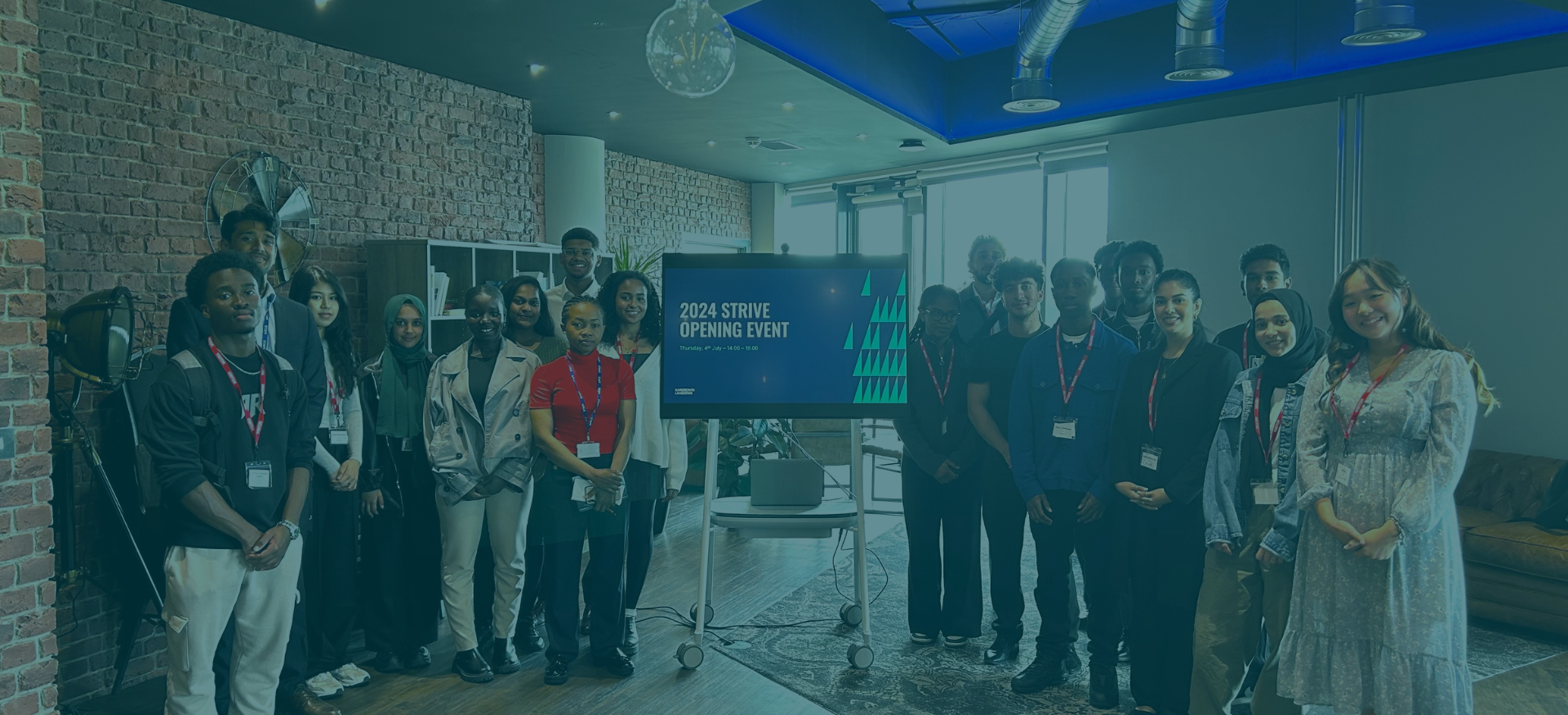
We’re delighted to announce that Sanderson has taken on the award winning Strive Internship programme from our close client, Hargreaves Lansdown.

We took part in the scheme in the summer of 2024 and we’re now excited to continue this fantastic work that provided over 100 paid internships to Black, Asian and minority ethnic students across multiple organisations and industries.

What is it the Strive Intern Programme?

The programme offers paid work experience placements to Black, Asian and minority ethnic university students across organisations in the West of England. It is a fantastic opportunity for students to fully immerse themselves in placements with partner organisations for 6–8 weeks, gaining hands-on work experience, building confidence, and developing their professional network.

The cross-sector programme also includes opportunities for interns to attend valuable skill-building sessions designed to enhance career confidence and provide opportunities for interns to connect with each other.

Find out more and get involved

You can find out more about the Strive Internship programme, as well as register your interest in taking part as either a student or an organisation by heading over to this page.

You can also find out more about the programme by downloading the Strive Brochure

Blue Banner Image for Content

Women in Tech Employer Awards: Key Takeaways

Posted November 19, 2024

Sanderson’s Senior Consultant Abigail Tittley recently attended the Women in Tech Employer Awards in London. As a specialist in the technology recruitment field and a passionate advocate for women working in the technology space, this was an event not to be missed celebrating companies and individuals making a real difference for women in tech.

We sat down with Abigail to hear all about her key takeaways from the evening and learn more about her work in advocating for meaningful industry change by spreading awareness, tackling unconscious bias and providing a platform for women in tech to share their stories. Here is what Abigail had to say.

DE&I in technology

“Diversity and inclusion are increasingly prominent topics across the tech industry, with a number of businesses around the world launching DE&I Initiatives centred around attracting and retaining underrepresented talent. With less than one-third of the world’s technology workforce being women, I believe there is a continued need to tackle gender disparity in the sector, and celebrate the exceptional achievements that support women through their career.

This month I had the opportunity to do just that and join some my network at the Women in Tech Employer Awards in London. The Women in Tech Employer Awards celebrates employers, allies and exceptional women for advancing gender diversity in the tech industry, commemorating initiatives that promote inclusivity and career growth. Held this year at the beautiful Hilton Park Lane Hotel, it’s a wonderful opportunity to celebrate, network and witness outstanding efforts across innovation, recruitment and leadership.

Here are my key takeaways…

The event was managed wonderfully, looking at companies of all sizes that were committed to gender diversity, treating it as an essential and impactful goal. It was brilliant to see larger businesses, like Experian, setting a high standard by introducing market-leading initiatives that can challenge competitors to change, and influence the industry. Equally impressive, was seeing smaller companies, like Synthace, that are embedding DE&I principles from the ground up, ensuring these values are part of their core framework.

Throughout the evening, I had incredible conversations about the efforts being made to advance DE&I, with many companies building programs centred around apprenticeships. Tech apprenticeships can nurture diverse, capable talent, building the talent pipeline of the future through combining academic and practical experience, equipping students with industry-relevant skills from day one.

So what about myself…

I’ve been working to support Women in Tech throughout my time in the permanent technology recruitment team at Sanderson. I’ve been speaking with women at all stages of their career within the tech industry and showcasing their experiences through social media, building a portfolio of role models to help inspire others and highlight what’s possible, as well as what needs to change. My aim is to keep raising awareness on the challenges women face in tech and the wider workplace, being able to offer practical and actionable advice on improving workplace policies. I want to expand this work by connecting with more women and AFAB individuals, advising businesses on creating positive change, and advocating through podcasts, networking events, and other opportunities as they come along.”

If you would like to find out more about Abigail’s work with women in technology, you can reach out to her on [email protected]

To find out more about Sanderson’s Technology team, please click here.

Blue Banner Image for Content

Harnessing the Strengths of an Intergenerational Workforce

Posted November 13, 2024

Have you ever wondered why your younger colleagues prefer instant messaging over phone calls?

Or why team members from earlier generations can be hesitant to embrace the latest software?

As the average lifespan increases and retirement ages rise, today’s workforces are becoming increasingly age-diverse. This presents unique challenges for leaders aiming to get the most from their people, but also a huge wealth of opportunities.

Let’s explore them…

The Strengths of an Intergenerational Workforce

An intergenerational workforce offers numerous benefits, chief among them being diverse professional perspectives.

Each generation is shaped by different cultural, economic, and technological contexts, which influence their attitudes, work styles, and problem-solving approaches.

Looking at each of the different generations, I believe some of their key strengths are:

Baby Boomers

Born between 1946 and 1964, this generation brings a wealth of experience and what I like to think of as a strong work ethic. This can lend itself to offering valuable insights into long-term strategic planning and customer relationship management.

Generation X

Born between 1965 and 1980, this is a generation known for its adaptability and resourcefulness. In my opinion, they excel at managing change and navigating complex challenges, making them excellent problem solvers who can bridge the gap between the more traditional Baby Boomers and the tech-savvy younger generations.

Millennials

This is a generation born between 1981 and 1996 and are often thought as being adept at using technology to enhance productivity and communication, a useful strength in any team. They are typically values-driven and seek employers who align with their personal beliefs and priorities, such as social responsibility and environmental sustainability.

Generation Z

The youngest generation currently in the workforce and born between 1997 and 2012, this is the first truly digital native generation. They value diversity, inclusion, and work-life balance, and they often look for employers who provide opportunities for professional growth and flexibility which is a key skillset and outlook to complement many teams.

Challenges of Managing an Intergenerational Workforce

While a multigeneration workforce brings with it many strengths and opportunities, I think it can also present a few challenges if not managed appropriately.

A few of these challenges might be:

Stereotypes and Bias

Age-based stereotypes can create significant barriers to collaboration and productivity. For example, assumptions that employees from the Baby Boomer generation are resistant to new technologies or that Gen Z employees lack the experience to make critical decisions can lead to misunderstandings and hinder teamwork. I believe it’s essential to actively work against these stereotypes and encourage an environment of mutual respect and understanding.

Communication Styles

I think it would be fair to say that different generations have varying communication preferences. Those from earlier generations may prefer formal, written communication such as emails, while Gen Z employees may favour more informal, instant messaging apps or collaborative platforms like Slack. Understanding these preferences and finding a middle ground is crucial for effective communication.

Varying Expectations

Different generations may have different expectations regarding career progression, work-life balance, and job security. For instance, Baby Boomers might prioritise job stability and long-term employment, while Millennials and Gen Z may focus more on career development opportunities and flexible working conditions.

Strategies for Leveraging Intergenerational Talent

So if we want to harness the strengths of having an intergenerational workforce, what are some of the strategies that businesses can employ to better leverage this varied talent, and ensure that everyone can be the best they can be in the workplace?

Creating a Culture of Respect and Inclusion

I strongly believe that fostering a culture that values contributions from all age groups is critical. This can be achieved by promoting diversity and inclusion initiatives that specifically address age diversity, or even encouraging mentorship and reverse mentorship programmes where employees from different generations can offer their insights and help bridge the generational divide.

Inclusive Communication

Adopting a multi-channel communication strategy can help to facilitate effective communication across generations. This could include combining traditional face-to-face meetings and emails with digital tools such as video conferencing and instant messaging. By providing multiple communication options, organisations can ensure that all employees have access to the information they need in a format that suits them.

Flexible Work Arrangements and Development Opportunities

Offering flexible work arrangements, such as remote working options and flexible hours, can accommodate the diverse needs of an intergenerational workforce. Additionally, providing a range of professional development opportunities, from traditional training sessions to online courses, ensures that employees of all ages can continue to learn and grow within the organisation.

Integrating Age into Your DEI Strategy

Recognising age diversity as a critical component of overall diversity initiatives ensures equitable practices that acknowledge and value the contributions of all age groups. This means developing policies that not only prevent age discrimination but actively promote age diversity as an asset. By doing so, companies can create a workplace culture that genuinely values and utilises the strengths of an intergenerational workforce.

Conclusion

In today’s increasingly age-diverse workplace, I believe that organisations that successfully manage and leverage an intergenerational workforce can gain a significant competitive advantage.

By recognising the value of age diversity, companies can then foster a culture of inclusivity and mutual respect, which can both enhance employee satisfaction and even drive innovation and productivity.

When you acknowledge and value the unique strengths and perspectives each generation brings, organisations can build stronger, more cohesive teams that are better equipped to tackle the challenges of the modern business landscape.

If you have any thoughts on this topic or questions on how you can implement any of the strategies discussed, please do get in touch: [email protected]