
Creating Inclusive Workplaces: What HR Leaders Are Learning
Posted March 13, 2026We recently brought together senior HR leaders from a range of industries in Birmingham for a focused discussion on building inclusive workplaces. The conversation centred on three key themes: the role of AI in truly seeing the real candidate, how organisations can maintain a sense of belonging amid growing societal polarisation, and the impact of rapid change on inclusion.
The conversation opened with a critical question: Will AI reduce bias in recruitment or risk amplifying it? And how can employers ensure they’re still seeing the “real” candidate? The group explored a range of perspectives and practical approaches.
HR leaders using AI
When it comes to vetting talent, HR leaders are using AI in very different ways. Larger organisations with thousands of frontline staff are increasingly exploring AI tools like Phenom for the first stage of screening. It helps them deal with higher volumes of candidates quickly and consistently. But as soon as they reach the second stage, or for shared services roles where specific skills or cultural fit really matter, human interaction really needs to come into play.
That said, employers are also experimenting with gamification at this second stage, asking candidates to respond to problem-based scenarios and is an approach one of Sanderson’s larger RPO clients is using. Psychometric testing also continues to play a big role in complementing AI and building a more rounded view of the candidate.
Meanwhile, for organisations hiring fewer people each year, the cost of a bad hire is simply too high. They feel AI can help, but not replace the human conversations needed to understand culture, behaviours and nuance.
That doesn’t mean these teams avoid AI altogether. Tools like Copilot are now everyday helpers for creating the right email tone, shaping interview questions or supporting hiring managers during assessments. One approach taken is to use Copilot to personalise candidate experience by generating challenging, behaviour-based interview questions, designed to distinguish those high performing candidates. Another approach is to use Copilot to transcribe and analyse candidate responses, freeing the hiring manager up to actively listen and build rapport and helping to identify the most authentic and insightful answers.
Candidates using AI
On the other side of the recruitment process, more candidates are using AI to polish their CVs and personal statements. This has led to a huge uptick in applications, often up 500 per role, and yet conversion to the next stage can be low, as there is a clear gap between an AI enhanced application and how a candidate presents in person. This presents a key challenge on hiring manager’s time. Nuance, communication style and attitude certainly come through best in human conversation.
No one felt that candidates should be penalised for using AI. In fact, many viewed it as a positive, being able to leverage AI to save time and communicate clearly is a valuable skill, especially as more organisations integrate these tools into their everyday tasks.
A key takeaway for this topic? “AI can make us the best version of ourselves”
Across the diverse group of HR leaders in the room, the message was consistent: AI can genuinely enhance recruitment, but only when it works alongside people, not instead of them. Whether you’re a hiring manager or a candidate, the combination of AI’s efficiency and human insight is what leads to the best outcomes.
Maintaining a sense of belonging amid growing societal polarisation
We then turned to the theme of belonging and asked: How can organisations maintain a sense of belonging amid growing societal polarisation?
This topic enabled HR Leaders to reflect on how the workplace can be a mirror to society and the challenges associated with aligning a multi-generational and increasing polarised workforce with common goals and values. Over the last few years, increasing societal polarisation has made it harder for HR teams to determine the right approach to DE&I.
To build deeper understanding across differences, one senior HR leader is using reverse mentoring, pairing apprentices with executive leaders to encourage mutual learning and broaden perspectives.
Another organisation is piloting internal “speed networking” sessions, enabling senior leaders to meet employees from across the business through short, focused conversations aimed at improving connection and understanding.
Inclusive culture through the lens of organisational transformation
Our final topic extended the themes of belonging and inclusive culture through the lens of organisational transformation.
The discussion naturally leant itself toward the challenges of maintaining inclusivity during mergers and acquisitions. Rapid or extensive change can risk undermining inclusion efforts, particularly when integration happens at pace.
When acquiring an organisation larger than your own, a key question emerged: do you retain your culture, adopt theirs, or establish a new shared culture? One HR leader emphasised the importance of grounding decisions in the three pillars of organisational design, organisational change and organisational development, while maintaining clarity on the purpose and intent of the acquisition.
In many cases, pre‑planning is shortened once a deal is completed, making it harder for affected employees to feel included. This highlights the need for deliberate, early planning and transparent communication to support an inclusive transition.
Conclusion
The future of inclusive workplaces depends on how confidently we blend human insight with technology. AI can sharpen decisions and widen perspectives, but real connection still comes from conversations.
At Sanderson, we were left with the feeling that inclusion isn’t a project, it’s a craft. It takes intention and a genuine commitment to creating workplaces where people feel seen and valued. As organisations navigate change, it’s these human centred choices that determine whether people simply work somewhere or truly belong.
Would you like to be part of the Inclusive Workplaces conversation?
We are planning more round tables across the regions, creating relaxed, open spaces for HR leaders to connect, share experiences and learn from one another.
If you’re looking for a supportive place to swap ideas with peers who are navigating similar challenges, and gain fresh perspectives along the way, just drop us an email. We’d be delighted to have you involved.

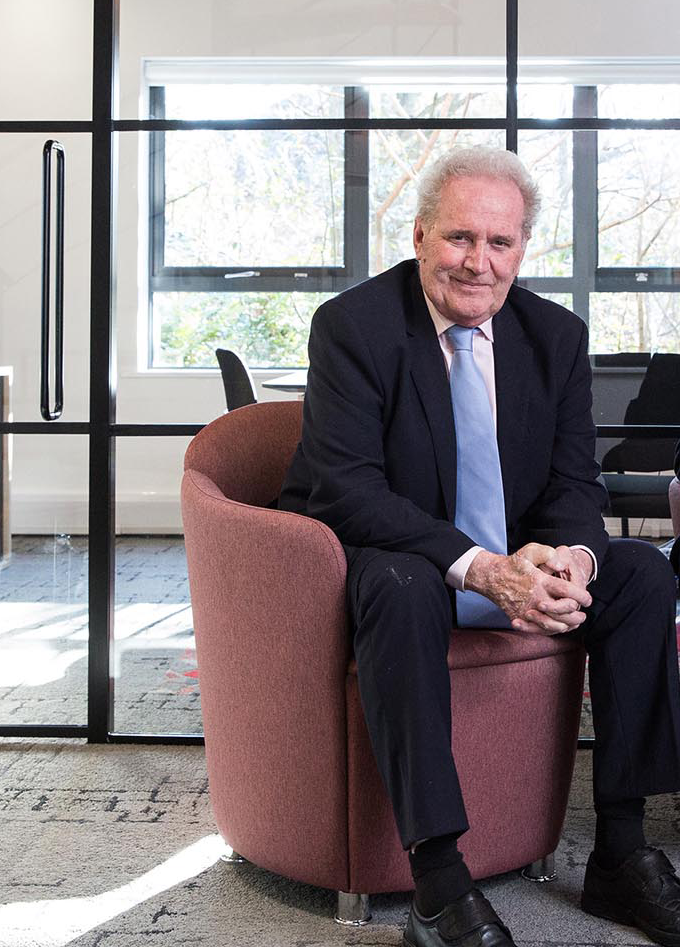 Keith was a visionary entrepreneur who helped to shape the recruitment industry. In the 1970s, he launched Tamar DP, one of the country’s first IT contract recruitment businesses, and in 1982, he founded Sanderson, taking it from a small Bristol based company to the global talent solutions business it is today with over 500 employees in locations across the UK, Ireland, India, Hong Kong and Singapore.